
By Molly Kate | Founder, HelloMollyKate.com
As a professional social media manager, digital strategist, and content creator, I spend my career helping brands grow online, protect their reputations, and build sustainable visibility.
I understand social media algorithms.
I understand viral trends.
I understand audience engagement.
So when one of my personal brand videos went viral, I knew exactly what was happening behind the scenes.
And when a major media company reached out to license my content, I thought, This is a big opportunity.
What followed became one of the most important professional lessons of my career—and one that every content creator, influencer, and business owner needs to understand.
The Reality of “Viral Success” in the Creator Economy
Going viral feels like validation.
Suddenly:
Your engagement skyrockets
Large media pages notice you
Brands and publishers reach out
Opportunities appear overnight
For many creators, this feels like “making it.”
But virality without protection can cost you more than it gives.
When a Media Company Slides Into Your DMs
Like many viral moments, mine started with a direct message.
“We love your video.”
“Can we share this?”
“Would you like to collaborate?”
At first, it felt exciting.
But there were no formal details.
No contract.
No monetization terms.
No licensing explanation.
No usage limits.
Just permission requests through Instagram DMs.
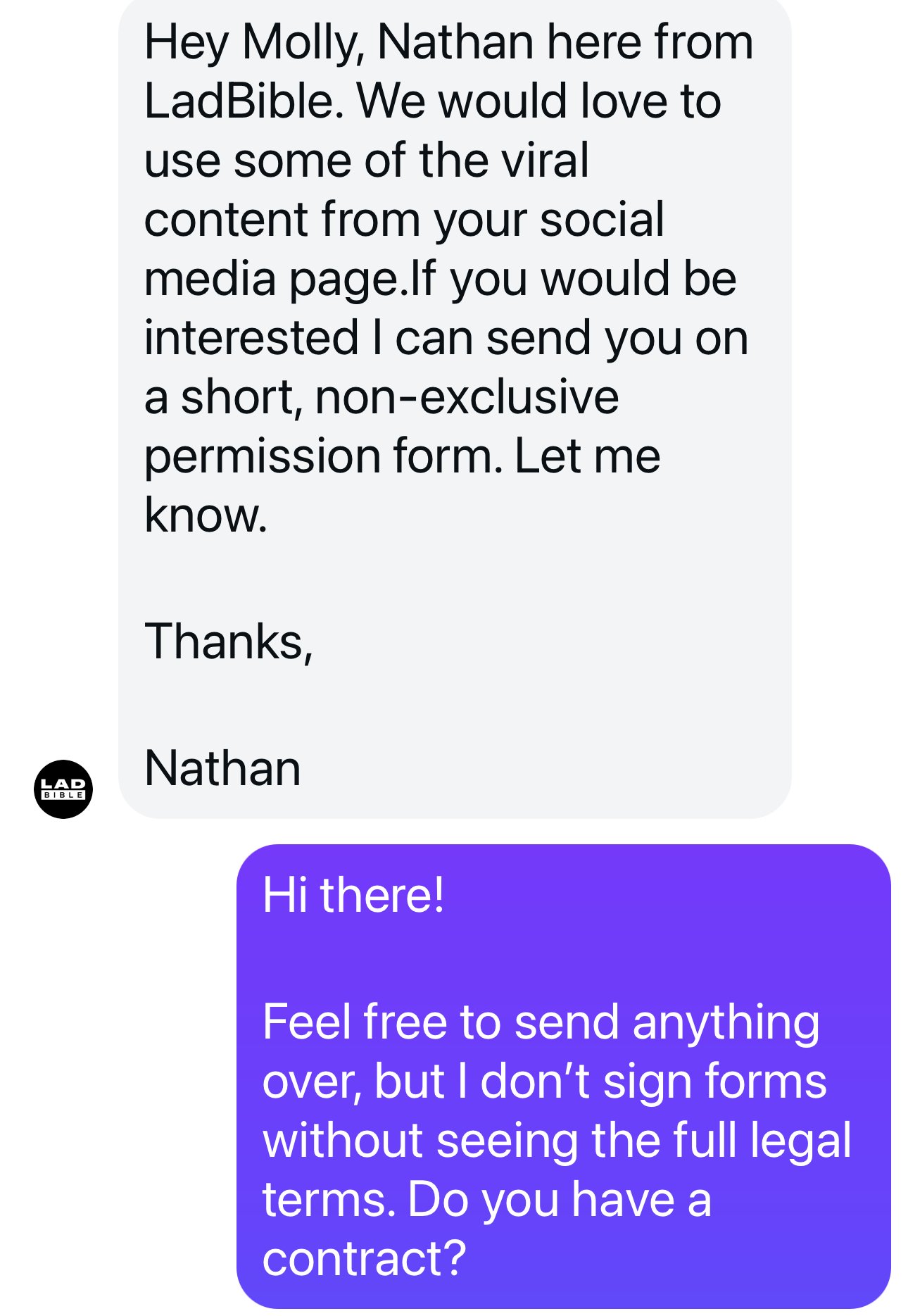
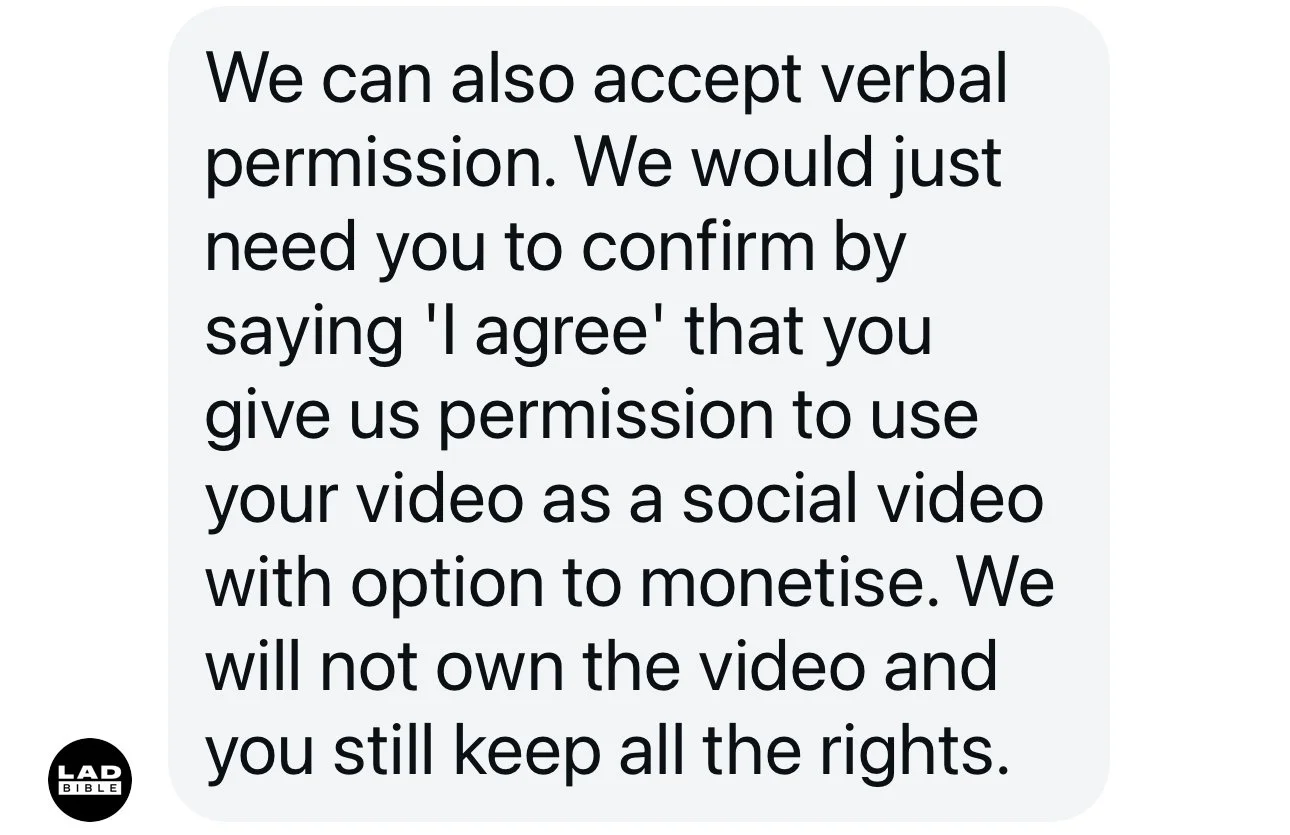
That was my first red flag.
Why Creators Should Never Approve Deals Through DMs Alone
As a digital marketing professional, I know that legitimate partnerships require documentation.
Yet in this case, authorization was being requested entirely through private messages.
No written agreement.
No legal clarity.
No protections.
So I asked for the full contract.
And only after I pushed did the real terms appear.
“You Keep the Rights”—But They Keep the Profits
On the surface, the agreement sounded promising.
“You retain ownership of your content.”
But the fine print revealed:
Unlimited usage rights
Permanent licensing
Global distribution
Full monetization control
No creator compensation
Yes, I technically owned my content.
But they would profit from it forever.
And one VERY important thing here: in their form… they didn’t ask for just the link to my one video. They asked for the entire channel. No further details. Just a large, blank check.
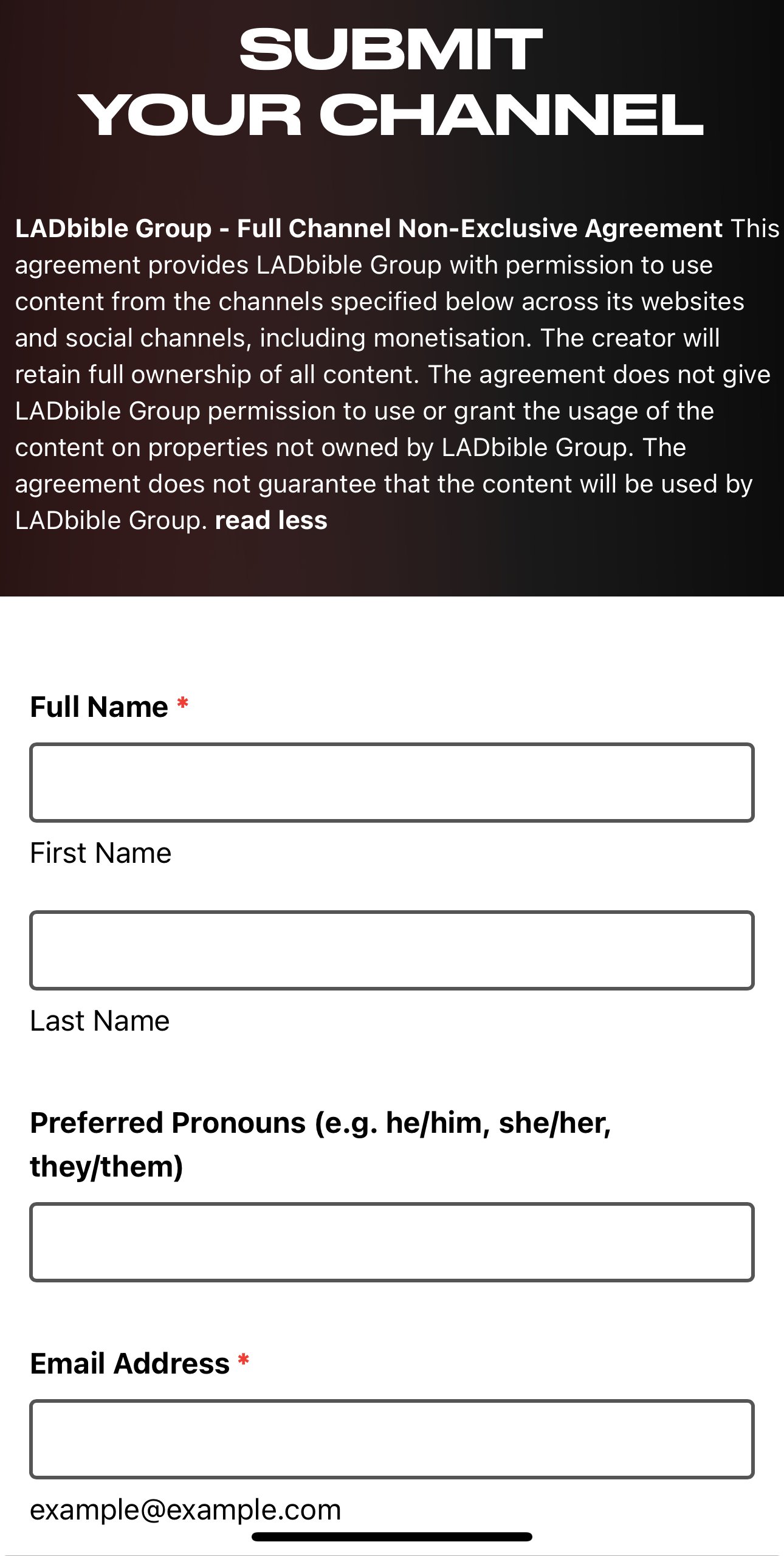
Exposure does not replace ownership.
Exposure does not replace income.
Exposure does not build long-term businesses.
Why Protecting My Children’s Image Changed Everything
Some of my content includes my children.
That meant this agreement wasn’t just about my brand.
It was about:
My children’s privacy
Their digital identity
Their future visibility
Their permanent online footprint
Signing permanent licensing rights would have given a corporation lifetime access to my children’s likeness.
With no expiration.
No oversight.
No revocation rights.
As parents who create online, we are stewards of our children’s digital presence.
I was not willing to trade that responsibility for reach.
How Large Platforms Benefit From Creator Inexperience
Many large media companies rely on one thing:
Creators being too excited to read carefully.
They know:
Many people won’t question contracts
Most won’t ask about monetization
Few will negotiate terms
Many will accept “exposure” as payment
This system rewards corporations and disadvantages independent creators.
Your content is intellectual property.
Your audience is a business asset.
Your likeness—and your family’s—is valuable.
Protect it accordingly.
The Importance of Asking Strategic Questions
If I had not slowed down, I would have signed away long-term control.
Because transparency was not offered.
It had to be requested.
That matters.
In professional digital partnerships, clarity should be standard—not something you have to extract.
What Every Content Creator Should Ask Before Saying Yes
If you receive a licensing or collaboration request, ask:
1. Who Owns the Content Long-Term?
Can you reuse, remove, or monetize it later?
2. How Long Does the Agreement Last?
Short-term licenses protect creators. “Forever” benefits platforms.
3. Who Controls Monetization?
Where does revenue go?
4. Is There a Written Contract?
Verbal and DM agreements offer no legal protection.
5. Does This Include My Children or Family?
Always review likeness and image clauses.
6. Can You Revoke Permission?
Some agreements permanently remove control.
Why I Chose to Walk Away
I declined the deal.
Not because I don’t value visibility.
But because I value sustainability, boundaries, and long-term brand equity.
I’ve spent years building a professional reputation in digital strategy and social media consulting.
I wasn’t willing to give away that foundation—especially when my children were involved.
Going Viral Is a Beginning—Not a Business Model
Virality creates opportunity.
Strategy creates stability.
Without structure, viral moments disappear.
With protection, they become platforms.
The difference is education.
What This Means for Business Owners and Creators
If you are:
A content creator
A small business owner
A nonprofit leader
A church communicator
A personal brand builder
You need to understand digital rights, licensing, and content ownership.
Social media is not “free marketing.”
It is a business environment.
And you deserve to operate in it with confidence.
Work With Me: Speaking, Training, and Consulting
If you or your organization would like to learn how to:
Protect your digital content
Negotiate media partnerships
Build sustainable personal brands
Manage viral visibility responsibly
Create ethical family-centered content
Develop professional social media strategies
I offer:
✔ Professional workshops
✔ Conference presentations
✔ Staff trainings
✔ One-on-one consulting
✔ Customized digital strategy sessions
📩 Email: mollykate@lovemollykate.com
🌐 Website: hellomollykate.com
My presentations and consulting services are available for churches, nonprofits, schools, businesses, and creator communities.
Let’s make sure your online success works for you—not against you.
Final Thoughts: Your Content Is Your Legacy
Never apologize for reading contracts.
Never rush important decisions.
Never confuse attention with security.
Your work matters.
Your story matters.
Your family matters.
Your boundaries matter.
Protect them.